The global financial landscape in 2026 has been defined by two massive, colliding forces: a historic geopolitical energy shock and the relentless expansion of artificial intelligence. As tensions in the Middle East escalate into a full-blown Iran oil crisis, investors are desperately searching for assets that can weather inflation and geopolitical turmoil. For modern portfolios, the debate often comes down to two major growth sectors. When weighing AI stocks vs. crypto, which asset class offers the best protection and upside in a fractured global economy?
In this article, we will explore how the ongoing energy crisis is reshaping global markets. We will break down the fundamental drivers of the AI infrastructure boom, analyze the crypto market’s reaction to global instability, and help you determine the best investments to navigate this turbulent macroeconomic environment.
The 2026 Macro Environment: The Iran Oil Crisis
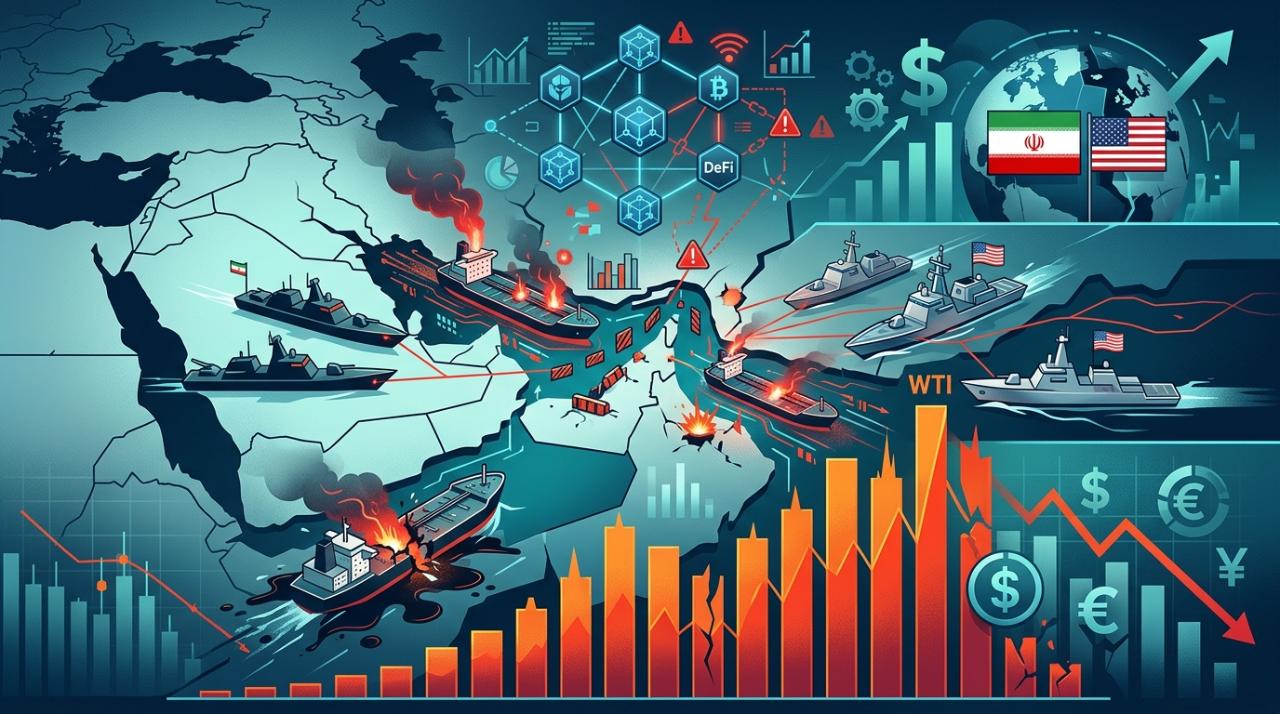
To understand the current investment landscape, we must first look at the geopolitical realities of 2026. The escalation of military actions between the United States and Iran has led to severe disruptions in the Strait of Hormuz, a maritime chokepoint that handles roughly 20% of the world's global oil supply.
This conflict has forced energy prices to remain painfully elevated. With West Texas Intermediate (WTI) crude oil experiencing dramatic price swings—spiking past $110 earlier this year and continuing to create market anxiety through the summer—inflationary pressures have rebounded. Consequently, central banks, including the U.S. Federal Reserve, are being forced to maintain higher interest rates for longer to combat energy-driven inflation.
For investors, this creates a challenging environment. High interest rates typically crush traditional growth stocks and risk assets. Yet, despite these macroeconomic headwinds, both artificial intelligence equities and digital assets have demonstrated unique forms of resilience.
AI Stocks: The Infrastructure Supercycle

If there is one traditional market sector that has defied the gravity of the Iran oil crisis, it is artificial intelligence. However, the AI narrative in 2026 has shifted from speculative software startups to hard infrastructure and energy management. We have entered the era of "AI Execution."
Major hyperscalers like Microsoft, Meta, and Google are expected to push their collective capital expenditures toward $725 billion. This tsunami of spending is heavily insulated from consumer inflation because it represents a foundational technological arms race. As a result, the best-performing AI stocks are those solving the physical bottlenecks of computing:
- Semiconductors and Custom Silicon: Industry giants like Nvidia and Broadcom continue to see massive revenue growth. Nvidia's rollout of its high-volume Blackwell architecture and Broadcom's custom AI accelerators have secured multi-billion dollar backlogs that stretch well into late 2026.
- Power and Cooling Infrastructure: AI data centers consume vast amounts of electricity, putting them in direct competition with the broader energy market. Companies like Eaton and nVent Electric, which specialize in industrial power management and liquid cooling systems, have become breakout stars.
The strength of AI stocks lies in their guaranteed corporate spending pipelines. Even as oil prices fluctuate, Big Tech cannot afford to pause its AI build-out, making AI infrastructure stocks a formidable defensive growth play.
Crypto Market Resiliency: Bitcoin and Web3

On the other side of the spectrum is the cryptocurrency market, which has had a complex reaction to the Iran oil crisis. Historically, Bitcoin has been debated as either a "digital gold" safe haven or a high-beta risk asset. The events of 2026 have proven it possesses elements of both.
When military strikes in the Middle East intensified in July 2026, Bitcoin experienced immediate volatility, briefly dropping below the psychological $60,000 support level as traders de-risked. The fear was largely driven by the threat of prolonged inflation and the resulting hawkish monetary policy.
However, the crypto market's recovery has been notable. Bitcoin quickly reclaimed territory near $63,800, showing greater resilience than traditional safe havens like physical gold, which suffered heavy sell-offs during the same period.
Several factors are buoying the crypto market amidst the crisis:
- Institutional Inflows: Spot Bitcoin ETFs continue to see structural inflows. Institutional investors are increasingly using Bitcoin to hedge against fiat currency debasement and expanding fiscal deficits.
- Decentralized AI (DeAI): The intersection of Web3 and AI has birthed a new sub-sector. Protocols offering decentralized compute power (like Render) and AI agent networks (like Fetch.ai) are offering investors a way to gain AI exposure outside of traditional equity markets.
While crypto remains volatile, its lack of reliance on physical supply chains makes it an attractive alternative to traditional equities during global trade disruptions.
AI Stocks vs. Crypto: Finding the Best Investments

When evaluating AI stocks vs. crypto in the context of the 2026 oil crisis, investors do not necessarily need to choose one over the other; rather, they serve different strategic purposes in a portfolio.
Choose AI Stocks If: You are looking for cash-flowing businesses with visible revenue pipelines. Companies manufacturing AI chips, memory (like SK Hynix), and data center infrastructure are currently backed by the largest capital expenditure cycle in tech history. They offer a degree of predictability, though they are subject to valuation concerns and the rising costs of energy required to power their data centers.
Choose Crypto If: You are looking for absolute scarcity and a hedge against the traditional financial system. Bitcoin offers a decentralized alternative to fiat currencies that are currently being stressed by geopolitical conflict and inflation. Furthermore, specific Web3 protocols offer high-risk, high-reward exposure to the decentralized internet, free from the centralized bottlenecks of corporate tech giants.
Conclusion
The Iran oil crisis of 2026 has proven that traditional investment playbooks are no longer sufficient. As energy shocks threaten global supply chains and inflation remains a persistent threat, capital is flowing toward the assets shaping the future.
In the battle of AI stocks vs. crypto, both sectors offer compelling opportunities. AI infrastructure equities provide a reliable growth engine backed by trillion-dollar tech monopolies, while Bitcoin and digital assets offer a decentralized hedge against a fractured geopolitical landscape. A balanced portfolio in 2026 likely requires exposure to both the physical hardware powering the AI revolution and the digital scarcity of premier cryptocurrencies.
Ready to optimize your digital asset portfolio? Subscribe to the Crypto Briefs newsletter for weekly on-chain analysis and exclusive market insights.