If you have been in the cryptocurrency space for more than a few years, you likely have the same security mantra burned into your brain: Not your keys, not your coins. For a long time, the only acceptable way to practice self-custody was to lock everything—down to the last dollar—behind the PIN code of a physical device.
I used to obsessively route every airdrop claim, NFT mint, and $20 decentralized exchange (DEX) swap through my Ledger or Trezor. But eventually, the friction became exhausting. Digging out a piece of hardware, connecting it via USB or Bluetooth, and squinting at a tiny screen to verify a micro-transaction simply stopped making sense.
Today, the crypto ecosystem has evolved. Thanks to massive upgrades in wallet infrastructure and network scalability, using a hardware wallet for small balances is no longer the strict necessity it once was. Here is why I finally stopped using my cold storage for daily transactions—and why you might want to rethink your own wallet setup.
The Friction of Cold Storage for Daily Use
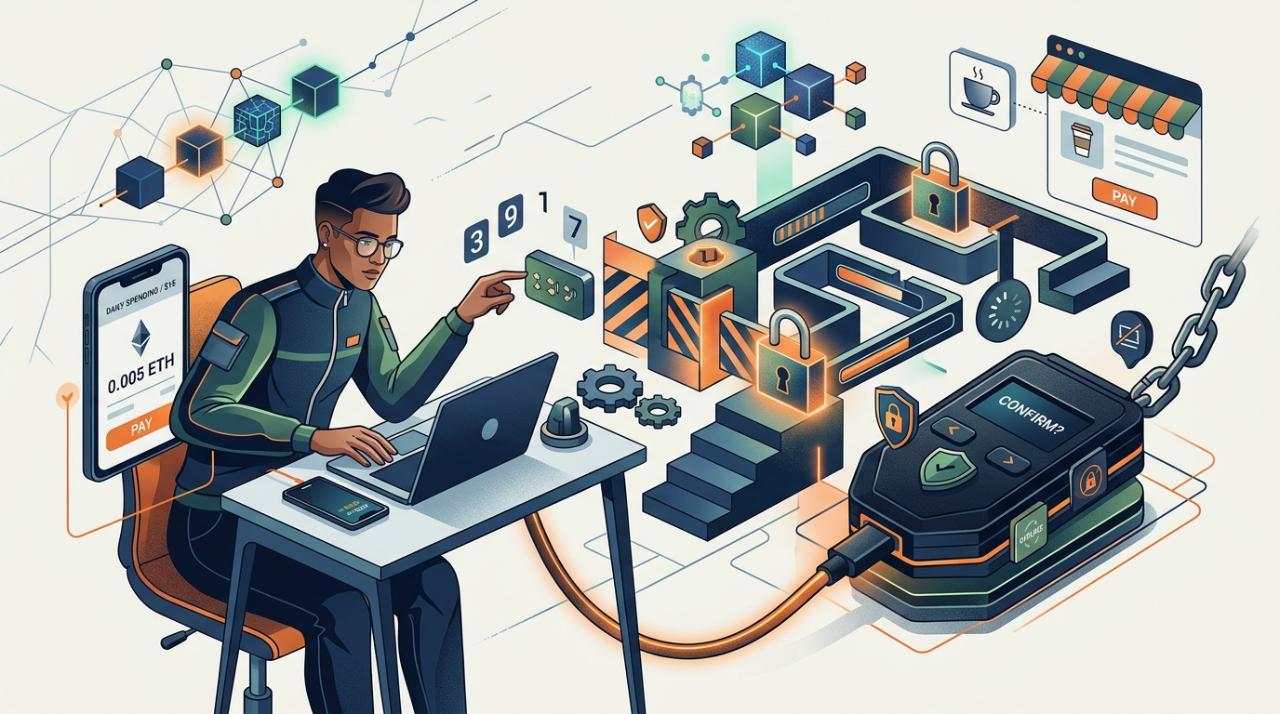
Hardware wallets are designed to do one thing perfectly: keep your private keys completely offline. By isolating your cryptographic secrets from your internet-connected phone or laptop, they virtually eliminate the risk of remote malware or keyloggers draining your funds. For life-changing amounts of wealth, this level of security is non-negotiable.
However, using a hardware wallet for small balances introduces a severe usability bottleneck. Every time you want to interact with a decentralized application (dApp), you have to physically authorize the transaction. In a fast-paced Web3 environment where you might be claiming a daily reward, adjusting a small liquidity pool position, or buying a nominal amount of a meme coin, this process is painfully slow.
Furthermore, "blind signing"—the practice of approving a smart contract transaction on a hardware device without being able to read exactly what the contract is executing—historically negated some of the security benefits of cold storage anyway. If you are just moving $50 around, the time and effort required to securely manage a physical device simply outweigh the risks of keeping that capital in a more accessible application.
The Rise of Smart Contract Wallets and Passkeys
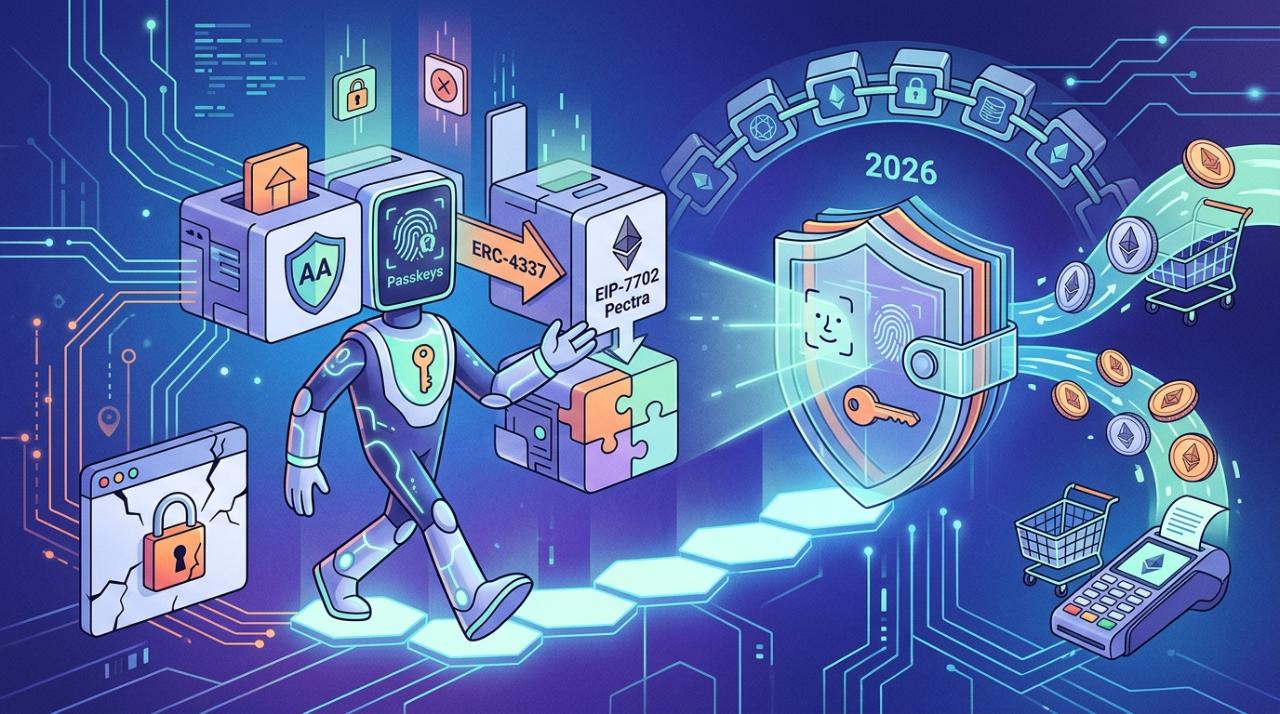
The primary reason I felt comfortable moving my daily spending money off my hardware device is the rapid evolution of crypto hot wallets. In 2026, software wallets are no longer the fragile browser extensions they were during the last bull market.
The widespread adoption of Account Abstraction (ERC-4337) and the recent integration of EIP-7702 via Ethereum's Pectra upgrade have ushered in the era of smart contract wallets. Instead of relying on a single, vulnerable 12-word seed phrase, modern smart wallets allow for programmable security.
Today, leading crypto hot wallets allow you to secure your account using device-bound passkeys (like Apple's FaceID or Android's biometric fingerprint scanners). This means the private key is never fully materialized in one place, making it highly resistant to the phishing attacks that used to plague standard software wallets. If you lose your phone, social recovery mechanisms and multi-factor authentication allow you to regain access to your smart wallet without needing a physical piece of paper stored in a safe. For small balances, this combination of biometric security and seamless account recovery offers more than enough protection.
Sub-Cent Transaction Fees on L2s Change the Math
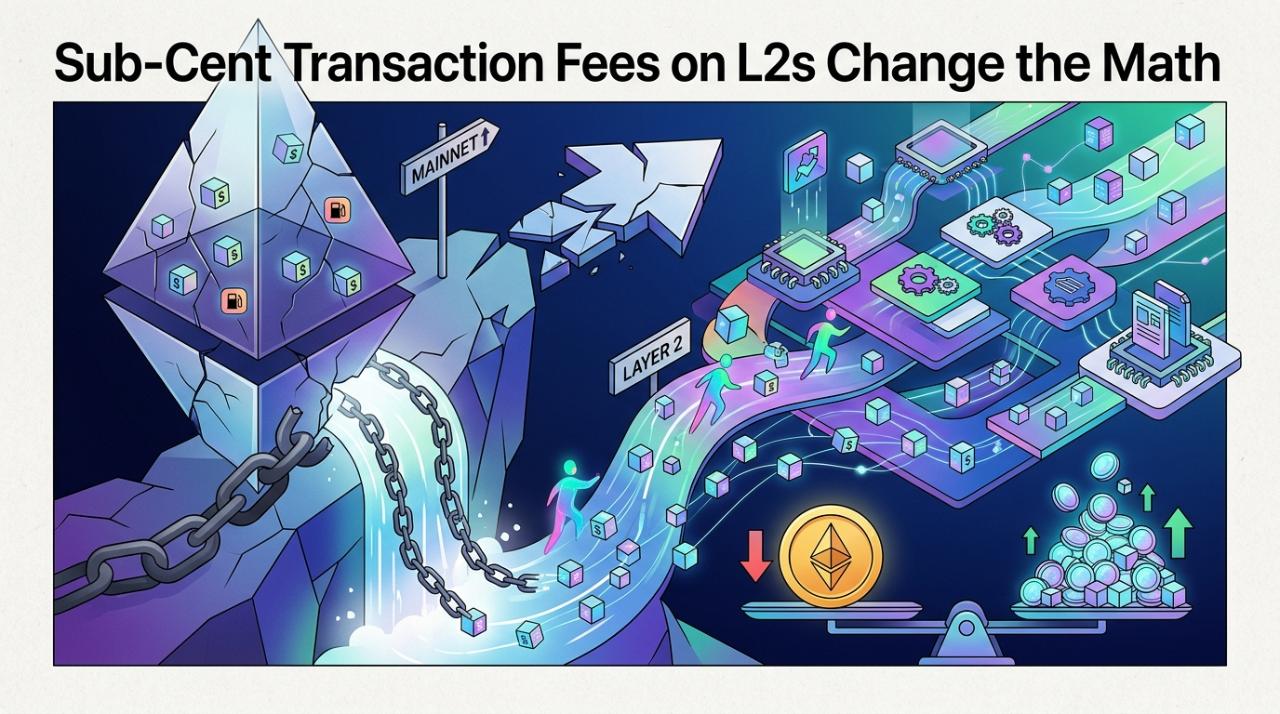
Another major factor in my decision is the sheer volume of transactions I make today compared to a few years ago. In the past, high transaction fees on the Ethereum mainnet meant you only moved money when absolutely necessary. But the landscape has fundamentally shifted.
Following the Dencun upgrade (which introduced EIP-4844 "blobs") and subsequent network optimizations, transaction fees on Layer-2 (L2) networks like Arbitrum, Optimism, and Base have plummeted. In 2026, the average L2 transaction costs a fraction of a cent.
Because transaction fees are practically zero, user behavior has changed. We now make dozens of micro-transactions a day—tipping creators on decentralized social media, playing on-chain games, and routing small trades. Trying to authorize 30 sub-cent transactions a day with a hardware wallet is an ergonomic nightmare. Smart contract wallets streamline this by utilizing "session keys," which allow you to pre-approve certain dApps to execute low-value transactions automatically for a set period, entirely removing the friction of manual signing.
The "Checking vs. Savings" Account Strategy
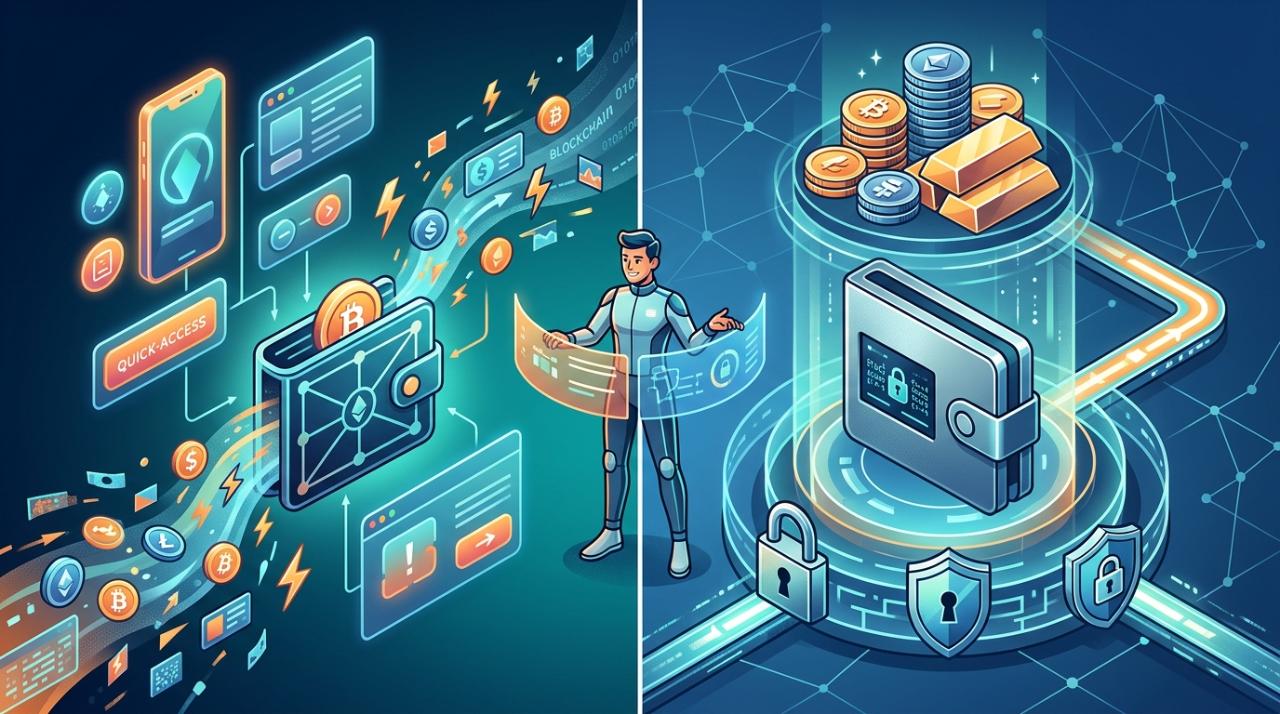
Giving up a hardware wallet for small balances does not mean abandoning self-custody or taking reckless risks. Instead, it means adopting the traditional finance model of separating your "checking" and "savings" accounts.
Here is the optimal self-custody strategy for the modern crypto user:
- The Savings Account (Hardware Wallet): This is your vault. It holds your long-term investments, large sums of Ethereum or Bitcoin, and high-value digital assets. It stays offline, disconnected, and is rarely used for interacting with smart contracts.
- The Checking Account (Smart Hot Wallet): This is your daily driver. Secured by passkeys and biometric data, you keep a limited balance here—say, $500 or whatever amount you are comfortable carrying in your physical physical wallet on the street. You use this for daily DeFi activities, minting, and micro-transactions.
If your hot wallet gets drained due to a sophisticated phishing link, the damage is capped at a minor inconvenience rather than a financial catastrophe.
Conclusion
The crypto industry has finally built user experiences that rival traditional fintech applications. Between biometric passkeys, account abstraction, and sub-cent Layer-2 transaction fees, modern crypto hot wallets offer a perfect blend of convenience and security for everyday use.
While cold storage remains the undisputed king for protecting your life savings, using a hardware wallet for small balances is a relic of the past. By adopting a "checking and savings" approach to self-custody, you can enjoy the fast, frictionless Web3 experience without putting your core portfolio at risk.
Ready to upgrade your wallet setup? Start by moving your daily transaction funds to a reputable smart contract wallet today, and let your hardware wallet do what it does best: quietly guard your digital wealth offline.